
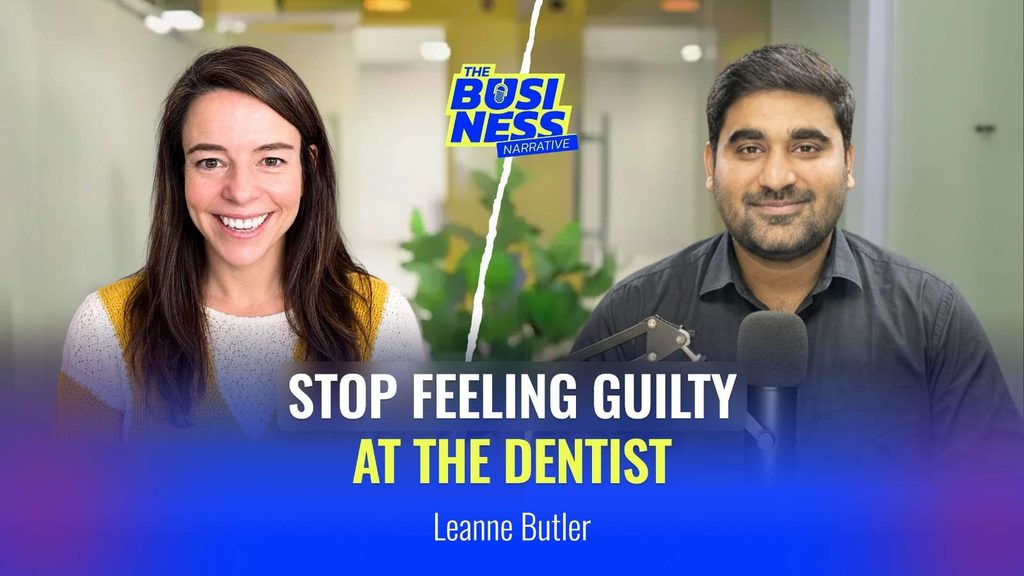
Most healthcare startups fail because founders build shiny tools for problems they don’t intimately understand. Leanne Butler spent 20 years on the frontlines of dentistry—starting as a dental nurse and rising to practice manager—before launching Flosst Ltd to fix a systemic breakdown: patient retention and preventative compliance. By merging behavioral psychology with a B2B SaaS dashboard, Flosst helps practices stop bleeding revenue while keeping patients healthier between visits.
Want to hear the full story? Go to YouTube and listen to the podcast episode here:PODCAST
What is Dental Churn and Why Does It Happen?
Dental churn represents the rate at which patients leave a practice or fail to schedule routine appointments, typically averaging between 15% and 23%. It occurs primarily when outdated education and “dental shame” cause patients to abandon daily preventative habits between visits, leading them to disengage from care entirely.
The 60% Myth: Why Traditional Oral Education Is Broken
For decades, dental clinics have relied on the same tired model: hand a patient a terrifying 1970s-style leaflet, lecture them about flossing, and schedule a cleaning six months out.
The reality? Brushing alone cleans only about 60% of your mouth. The remaining 40% requires interdental cleaning to clear harmful plaque bacteria linked directly to systemic issues like cardiovascular disease and diabetes.
Yet, patients consistently fall off track within a week of leaving the chair. When they return, they feel judged and guilty—a psychological reaction known as “dental shame.” Rather than confronting this guilt, patients simply cancel appointments, driving practice churn rates up to 23%.
Engineering Behavioral Change Through Gamification
Patients rarely abandon oral care out of laziness; they abandon it because life takes over and the topic feels uninspiring. Butler realized that oral hygiene needed the same cultural repositioning that fitness trackers brought to daily exercise and wellness apps brought to mindfulness.
To turn sporadic habits into permanent routines, Flosst uses:
- Bite-Sized, Jargon-Free Modules: Replacing confusing clinical terminology with practical, actionable daily guidance.
- Micro-Incentives & Streaks: Gamifying daily compliance through digital tracking to keep preventative hygiene top of mind.
- Contextual Reminders: Delivering timely prompts when users are most likely to brush and floss, removing cognitive friction.
The B2B SaaS Architecture: Connecting Patients to Clinicians
Flosst’s distribution strategy solves both consumer disengagement and clinic revenue leakage through a two-sided platform:
- Consumer App (B2C): A gamified mobile experience available on the App Store that educates and tracks daily oral hygiene habits.
- Practice & Clinician Dashboard (B2B SaaS): Dental practices license Flosst and deploy it to their patient base as a value-added retention service.
Through the clinician dashboard, dental providers monitor real patient compliance data between visits. Instead of repeating the same generic lecture at every six-month checkup, dentists and hygienists can examine historical compliance trends, celebrate progress, and deliver targeted interventions. This ongoing touchpoint transforms a transactional appointment into a continuous care relationship, directly slashing patient turnover.
Founder Insights: How to Launch a Specialized Health-Tech Product
Transitioning from clinical practice to tech founder taught Butler fundamental principles every vertical SaaS entrepreneur should heed:
- Pinpoint the Real Root Cause: Butler didn’t build an app simply because mobile software is popular. She built it because clinical shame was actively driving patient drop-off. Identify the exact emotional bottleneck in your market before writing code.
- Look Beyond Your Industry: Flosst borrowed design and engagement patterns from fitness trackers and sobriety apps rather than copying traditional medical software. Cross-pollinate ideas from mature consumer categories to revitalize stagnant industries.
- Monetize the Enterprise Pain: While consumers benefit from better health, dental practices suffer concrete financial losses from empty chairs. Aligning your software’s value proposition directly with clinic revenue retention makes sales conversations significantly easier.
Ready to learn how Leanne Butler transitioned from dental nursing to building an industry-disrupting health-tech SaaS?
Go to YouTube and listen to the podcast episode here: PODCAST.


![Why Your Mouth Is the Ultimate Gateway to High Performance [2026 Guide]](https://thebusinessnarrative.net/wp-content/uploads/2026/09/Podcast_Thumbnail_94-1.jpg)
